This SHOKZ OpenComm2 review looks at an open-ear headset built around work calls, with a noise-canceling microphone, physical mute control, and long talk time.
OpenComm2 Headset Review Summary
The quick verdict
1,000+ ratings
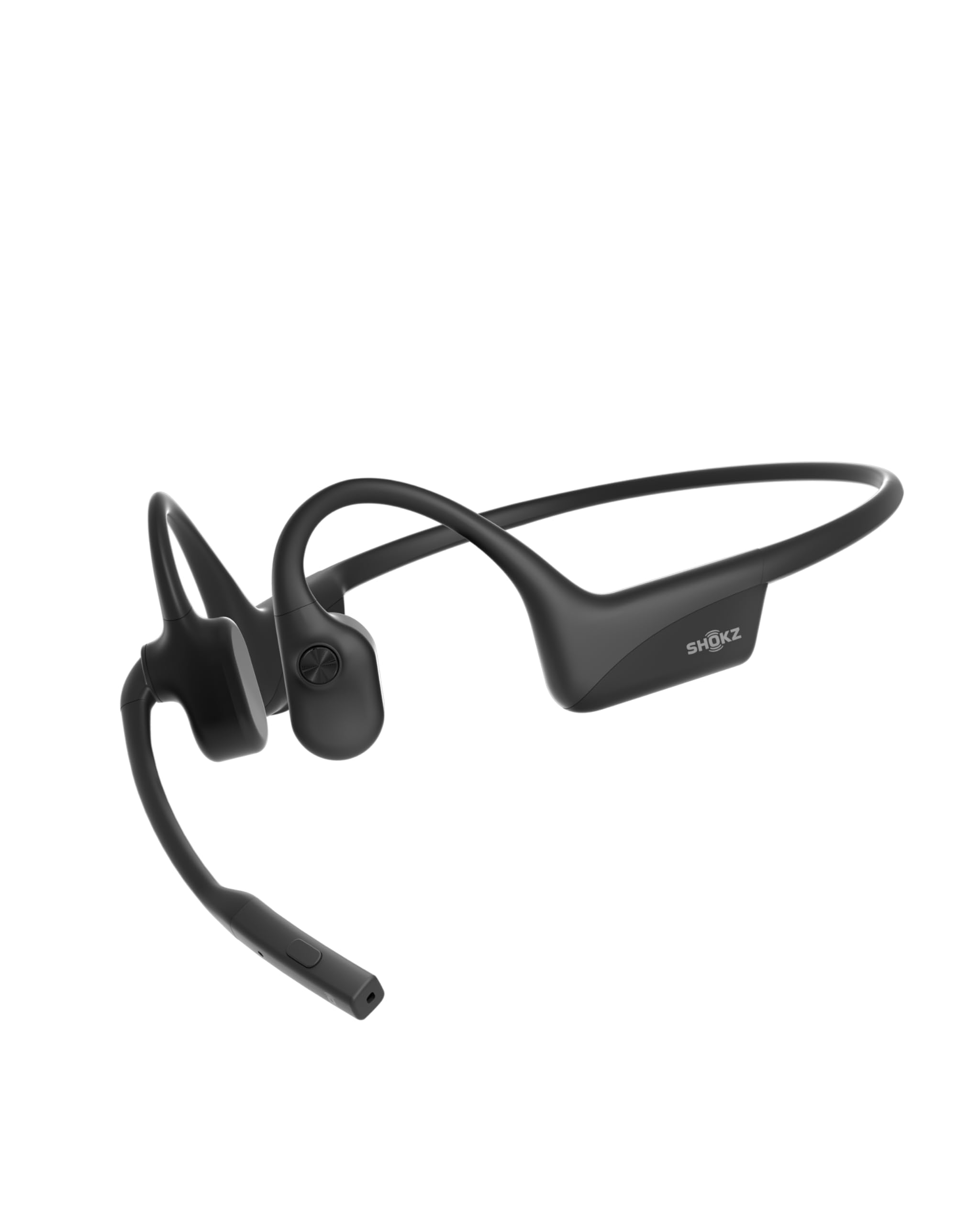
Read Amazon ReviewsSHOKZ OpenComm2
A work-call headset for buyers who want open-ear listening, a dedicated mute button, and long talk time.
- Open-ear bone-conduction headphone design.
- Noise-canceling microphone with DSP technology for calls.
- Multipoint pairing supports simultaneous connection to two devices.
- Physical controls cover volume, call muting, and audio playback.

Pros
- Work-call-oriented microphone includes DSP and noise canceling.
- Up to 16 hours of talk time reduces the need for frequent charging during call-heavy days.
Consider before buying
- Open-ear listening does not block surrounding sound, so it is a poor match when passive noise isolation is a priority.
- Talk time and listening time differ, so frequent music use may mean charging sooner than a call-focused schedule would.
Read the full review summary
OpenComm2 pairs an open-ear bone-conduction design with a noise-canceling microphone, a mute button, and up to 16 hours of talk time.
That combination makes it a practical option for people who spend much of the day on calls and want a headset that leaves the ears uncovered.
Multipoint pairing connects two devices simultaneously, which can help when switching between a computer and phone.
Its physical controls also cover volume and audio playback, while the open-ear format means it is not designed to isolate the wearer from surrounding sound.
The buying factors
OpenComm2 Headset Scorecard
Editorial scores reflect listed features and buyer fit; they are not laboratory measurements or customer ratings.
Work-call focus
The noise-canceling microphone, DSP technology, and call mute control make calls the clearest use case for this headset.
Talk-time flexibility
Up to 16 hours of talk time per charge suits extended call schedules, with a five-minute quick charge adding two hours of talk time.
Device switching
Simultaneous pairing with two devices is useful for people balancing a computer and mobile phone.
Control access
Physical buttons handle volume, muting, and playback without requiring touch controls on the connected device.
Open-ear design
The ear-free format allows surrounding sound to remain audible, which can suit work settings where awareness matters.
Ingress protection
An IP55 rating and water-resistant silicone finish add reassurance for mobile work use, though this is not a swimming headset.
Key Features and Specifications of OpenComm2 Headset
- Open-ear bone-conduction headphone design.
- Noise-canceling microphone with DSP technology for calls.
- Multipoint pairing supports simultaneous connection to two devices.
- Physical controls cover volume, call muting, and audio playback.
- Up to 16 hours of talk time and 8 hours of listening time per charge.
- A five-minute quick charge provides two hours of talk time.
- The headset weighs 35g and has an IP55 water-resistant silicone finish.
Pros and Cons of OpenComm2 Headset
Pros
- Work-call-oriented microphone includes DSP and noise canceling.
- Up to 16 hours of talk time reduces the need for frequent charging during call-heavy days.
- Pairing with two devices simultaneously supports a computer-and-phone setup.
- Physical buttons provide direct mute, volume, and playback controls.
Consider before buying
- Open-ear listening does not block surrounding sound, so it is a poor match when passive noise isolation is a priority.
- Talk time and listening time differ, so frequent music use may mean charging sooner than a call-focused schedule would.
- For frequent outdoor calls, check microphone performance in windy conditions before buying.
Who Should Buy OpenComm2 Headset?
Good fit
Choose OpenComm2 if your headset is primarily a work tool and you want a dedicated call microphone, physical mute control, and up to 16 hours of talk time.
The open-ear format can be useful when you prefer to hear nearby activity while listening or speaking.
It also makes sense for people who move between a computer and phone during the day: multipoint pairing keeps two devices connected, and the physical buttons cover common call and playback actions.
The five-minute quick-charge feature is useful when a short break is the only charging window, providing two hours of talk time.
Consider the separate talk and listening figures when estimating a day that mixes meetings with extended audio playback.
Who should skip it
Skip it if you need earbuds or earcups that create a seal and reduce surrounding noise. OpenComm2's open-ear construction is intended to leave the ear uncovered, so it does not suit buyers seeking passive isolation.
It is also a less natural fit if your priority is listening time over call time: the stated per-charge listening figure is shorter than the talk-time figure, so heavy audio use calls for a closer look at your charging routine.
OpenComm2 Headset: Work-Call Design and Daily Use
Open-ear listening for work
The open-ear format is central to the buying decision.
It lets the wearer remain aware of nearby sound, which can be useful in a shared workspace or when moving between tasks, but it also means environmental noise remains part of the listening experience.
Call controls and microphone
A noise-canceling microphone with DSP technology and an integrated mute control put call handling at the center of the design.
Physical buttons for muting, volume, and playback are especially practical when attention is on a meeting rather than on a phone screen.
Battery planning
The headset is rated for up to 16 hours of talk time and eight hours of listening per charge, with a five-minute quick charge providing two hours of talk time.
Buyers who alternate long meetings with music should plan around the listening figure as well as the call figure.
Two-device workflow
Simultaneous pairing with two devices addresses a common work setup: a computer for meetings and a phone for calls or alerts. The physical controls handle everyday adjustments, while the Shokz App is offered for toggling between paired devices.
Alternatives to OpenComm2 Headset
Battery-focused alternative
22,000+ ratings
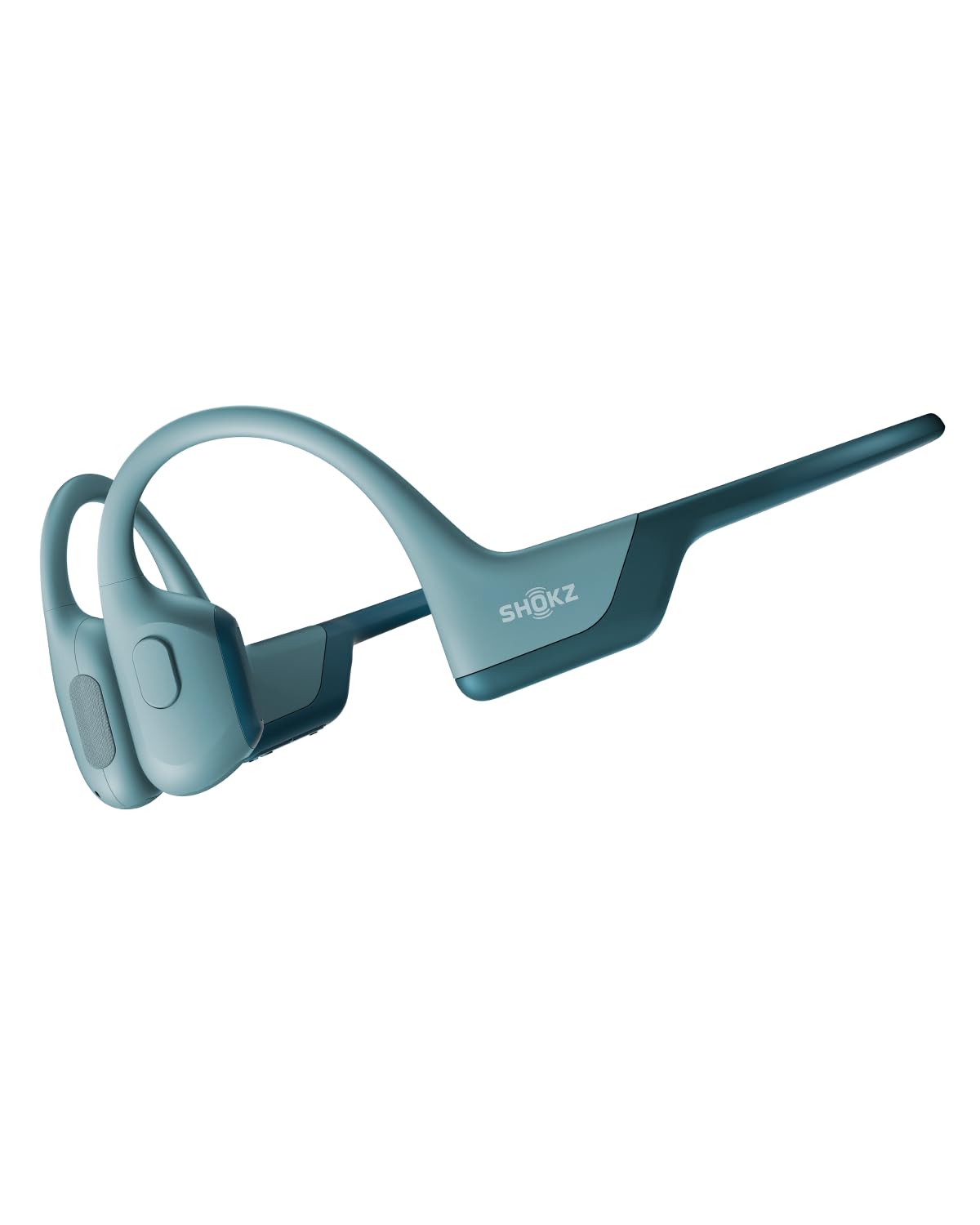
Read Amazon ReviewsSHOKZ OpenRun Pro
Choose OpenRun Pro if workout stability and sport-oriented use matter more; choose OpenComm2 if your priority is work calls, longer talk time, and two-device pairing.
- OpenRun Pro is positioned for running and workouts, with ten hours of music and calls and a wraparound titanium frame for training.
- OpenComm2 is work-call oriented, combining a noise-canceling microphone with up to 16 hours of talk time and pairing with two devices.
Battery-focused alternative
24,000+ ratings
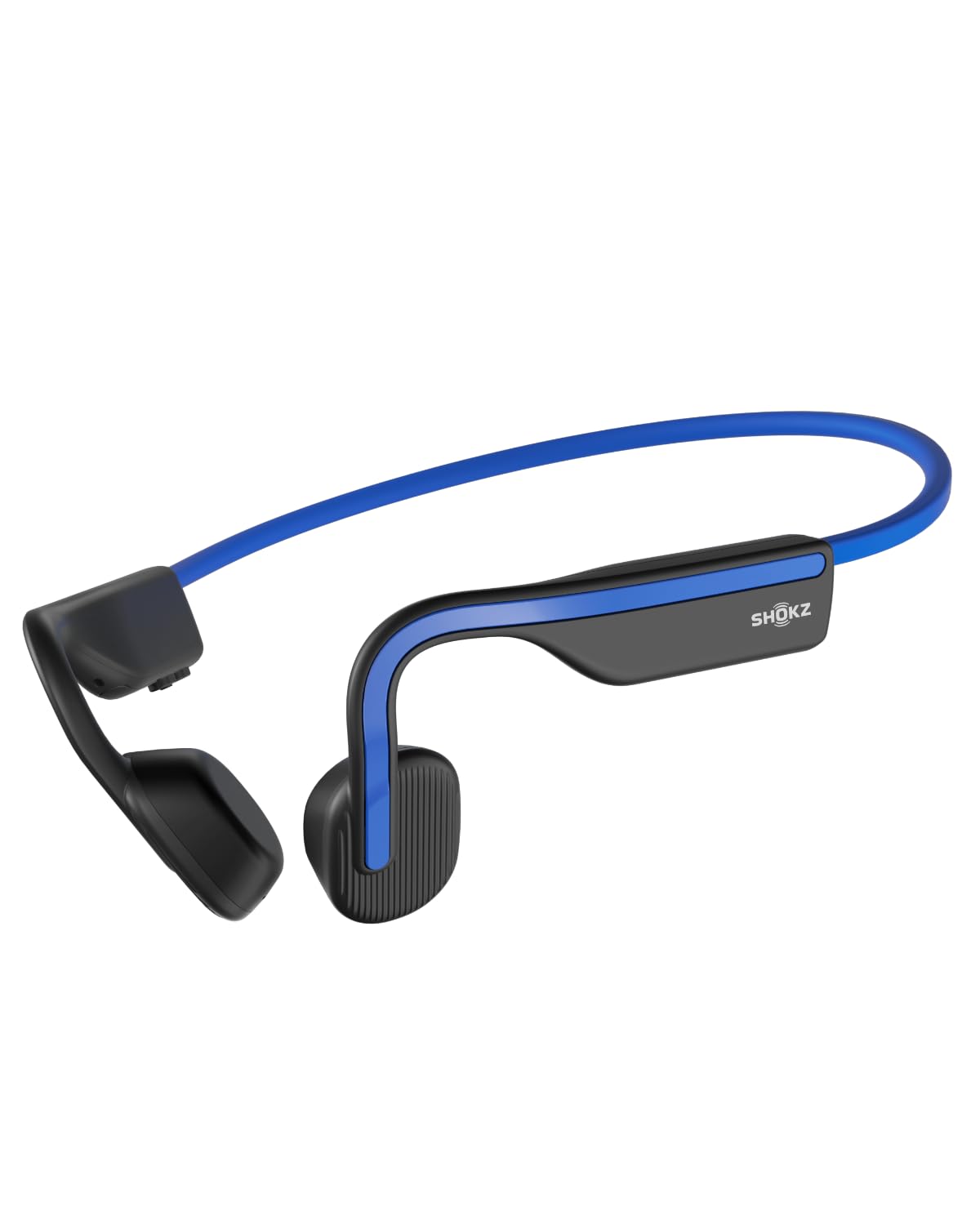
Read Amazon ReviewsSHOKZ OpenMove
Choose OpenMove if you want a sport-focused headset and six hours of combined music and call time meets your routine; choose OpenComm2 for call-focused use, longer talk-time capacity, and two-device pairing.
- OpenMove is a sport-oriented open-ear model with six hours of music and calls on a charge, and it includes a USB-C cable.
- OpenComm2 emphasizes work calls, with a noise-canceling microphone, mute button, up to 16 hours of talk time, and multipoint pairing for two devices.
Is OpenComm2 Headset Worth It?
SHOKZ OpenComm2 is worth considering if your day centers on calls and you want an open-ear headset with a noise-canceling microphone, physical mute button, two-device pairing, and up to 16 hours of talk time.
Its strongest fit is a work routine where hearing nearby activity matters and call controls need to be easy to reach.
Think carefully if you mostly listen to music or need noise isolation: listening time is rated at eight hours per charge, and the open-ear design does not seal out surrounding sound.
For call-heavy work that benefits from two-device pairing and quick physical controls, it is a focused and well-equipped option.
Your review at a glance
1,000+ ratings
Read Amazon ReviewsSHOKZ OpenComm2
A work-call headset for buyers who want open-ear listening, a dedicated mute button, and long talk time.
- Open-ear bone-conduction headphone design.
- Noise-canceling microphone with DSP technology for calls.
- Multipoint pairing supports simultaneous connection to two devices.
- Physical controls cover volume, call muting, and audio playback.