The best budget planners make routine money tasks easier to keep up with, whether you prefer monthly summaries or more frequent check-ins. Compare page layout, tracking tools, and size to find a planner that fits your budgeting habits and how much detail you want to record.
Quick Top Products
Clever Fox Budget Book 2.0
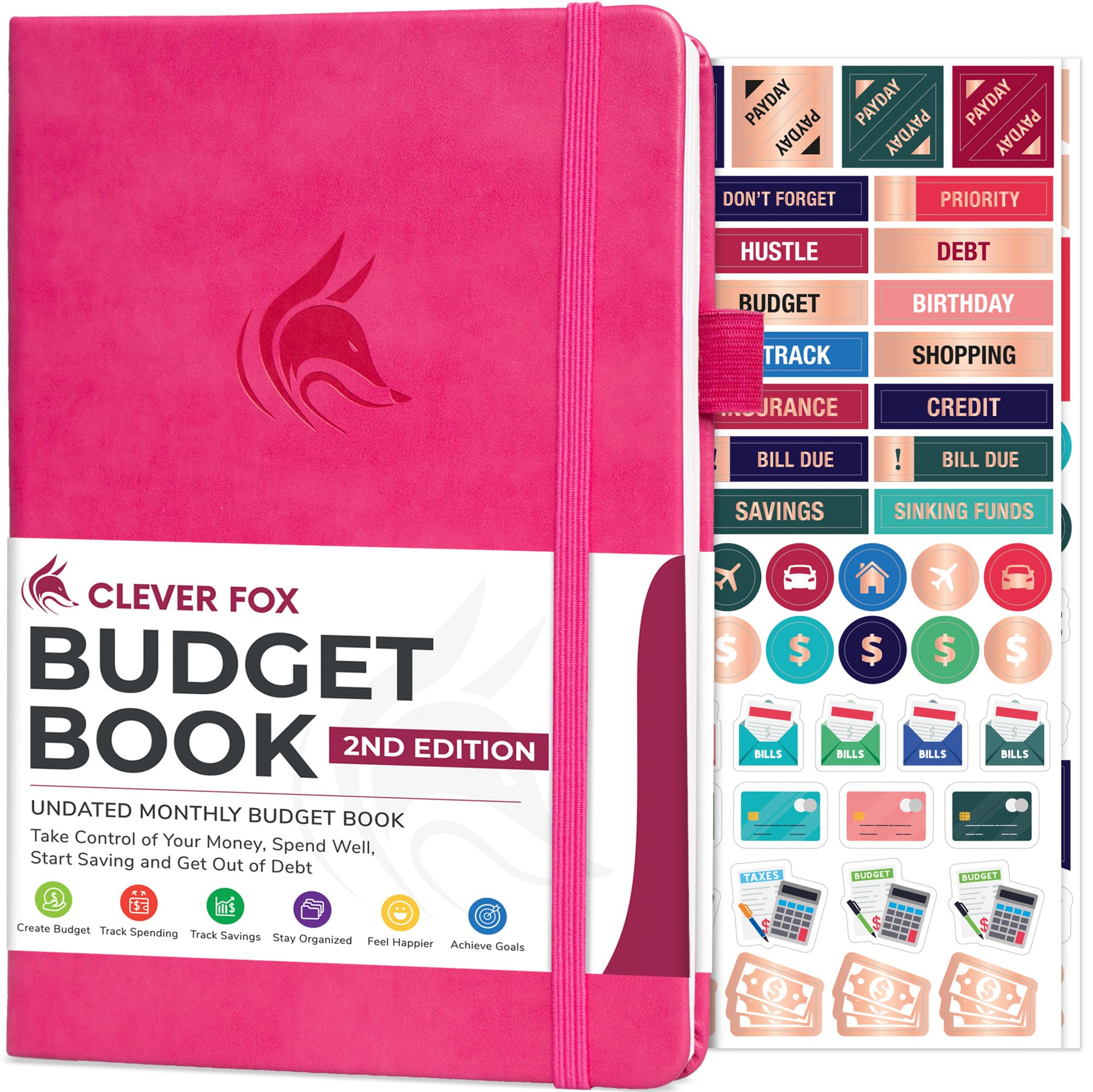
- Monthly budgets, bill planning, and daily expense tracking share one book.
- Includes eight savings and eight debt trackers.
- Compact format measures 5.3 by 7.7 inches.
Best For: Beginners who want monthly budgeting and savings, bill, and debt tracking in a compact format.

Clever Fox Bi-Weekly Budget Planner
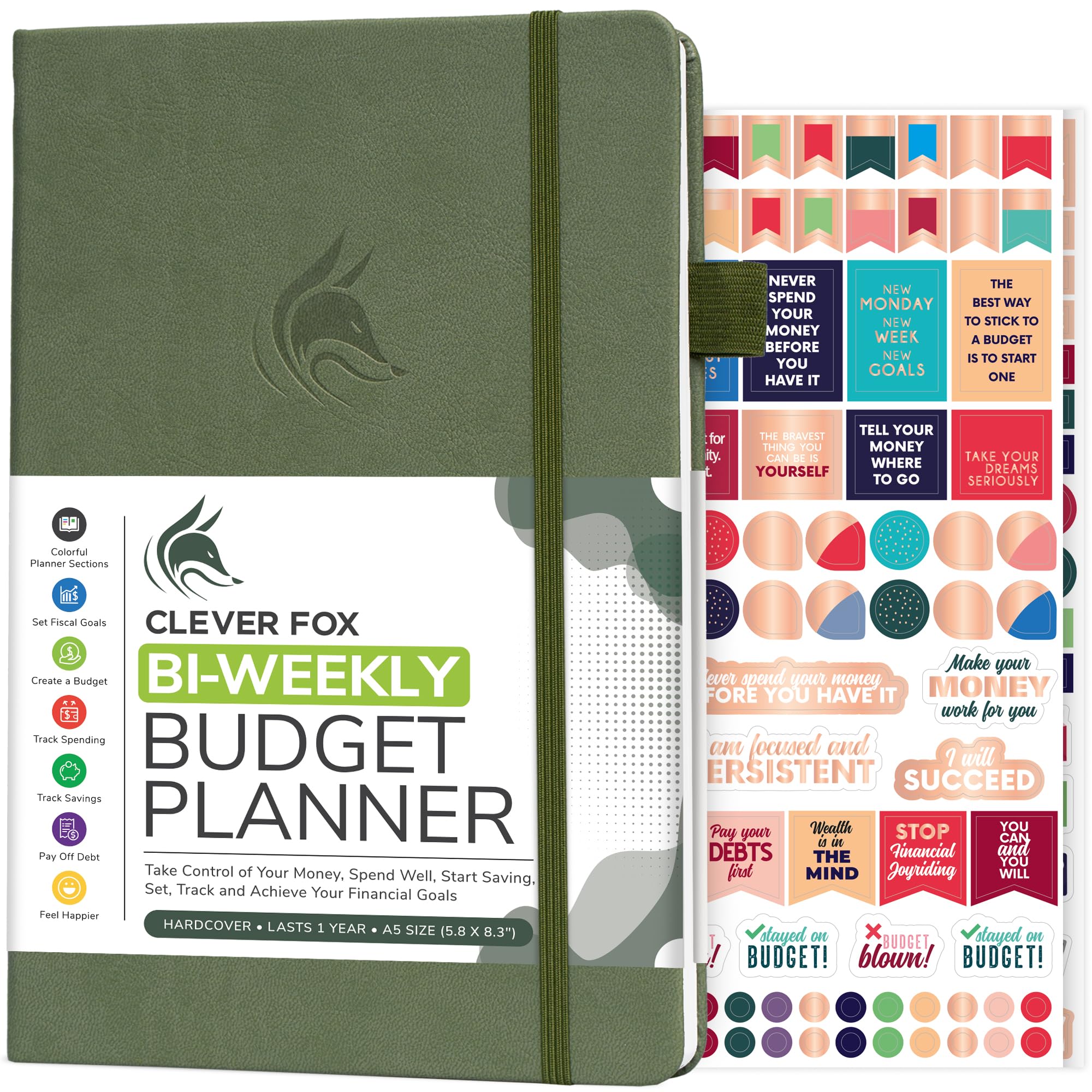
- Detailed biweekly sections help organize spending and payment dates.
- Includes annual financial goal setting and net worth planning.
- A5 size with lay-flat binding and receipt pocket.
Best For: Budgeters who want to organize expenses and payment deadlines in biweekly sections.
Clever Fox Budget Planner Spiral
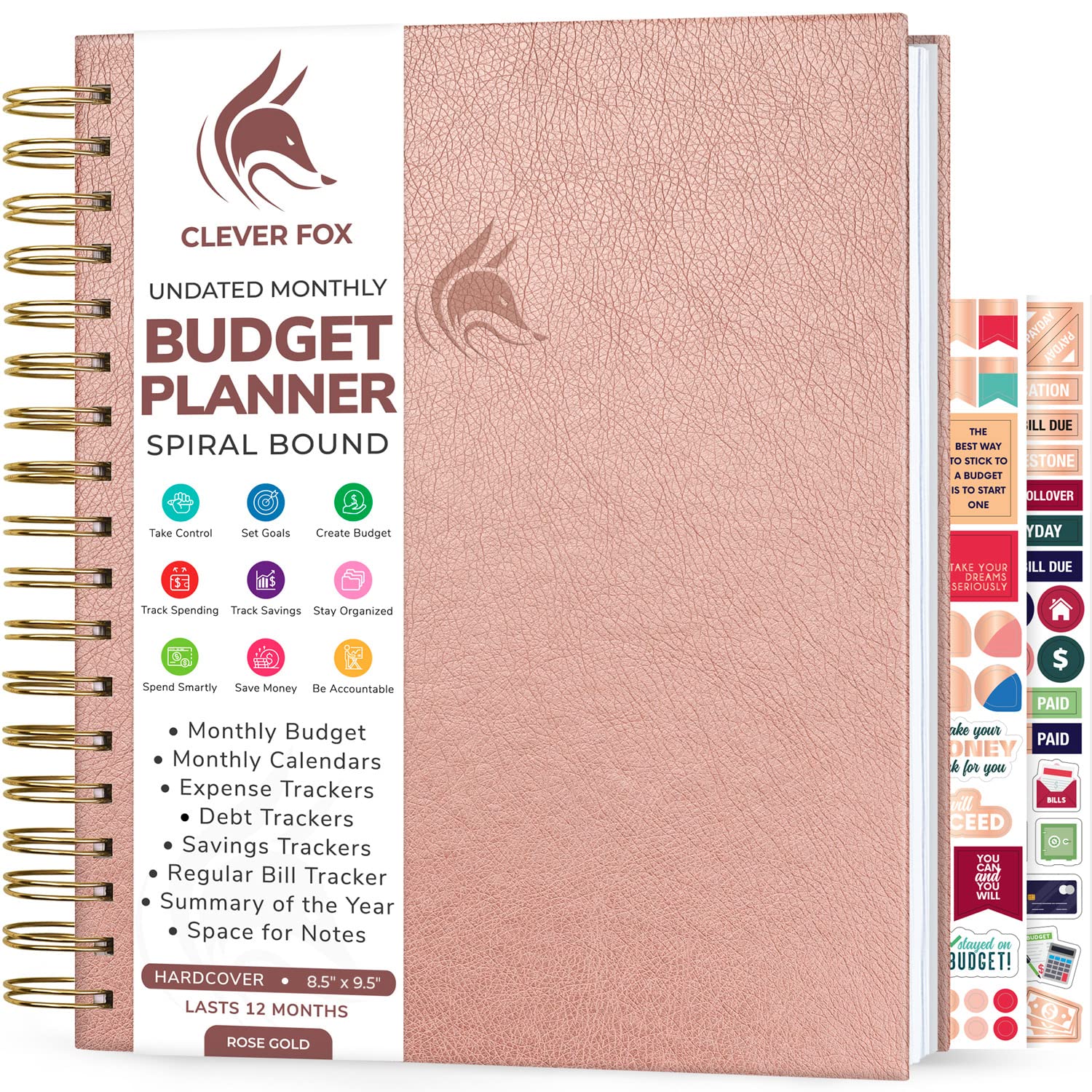
- Undated planner covers 12 months of budgeting.
- Includes eight savings trackers and twelve debt trackers.
- Large format includes three cash envelopes.
Best For: People who want a large monthly planner with cash envelopes and dedicated debt and savings trackers.
Clever Fox Budget Planner & Bill Organizer
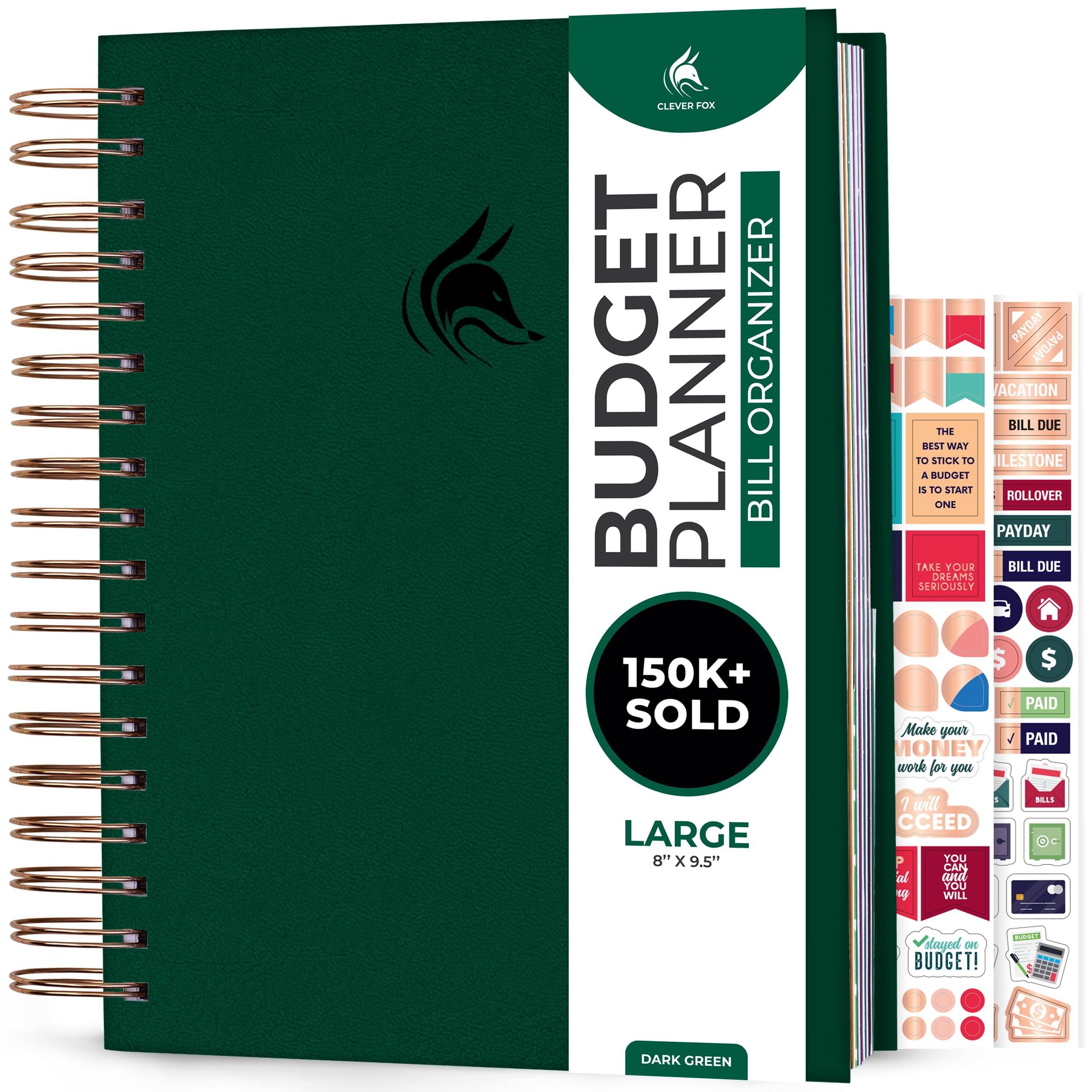
- Each month, plan spending, track daily expenses, and review your budget.
- Twelve laminated pockets organize bills and papers.
- Large format measures 8 by 9.5 inches.
Best For: Households that want monthly expense planning and pockets for keeping bills and financial papers together.
Clever Fox Planner PRO Premium
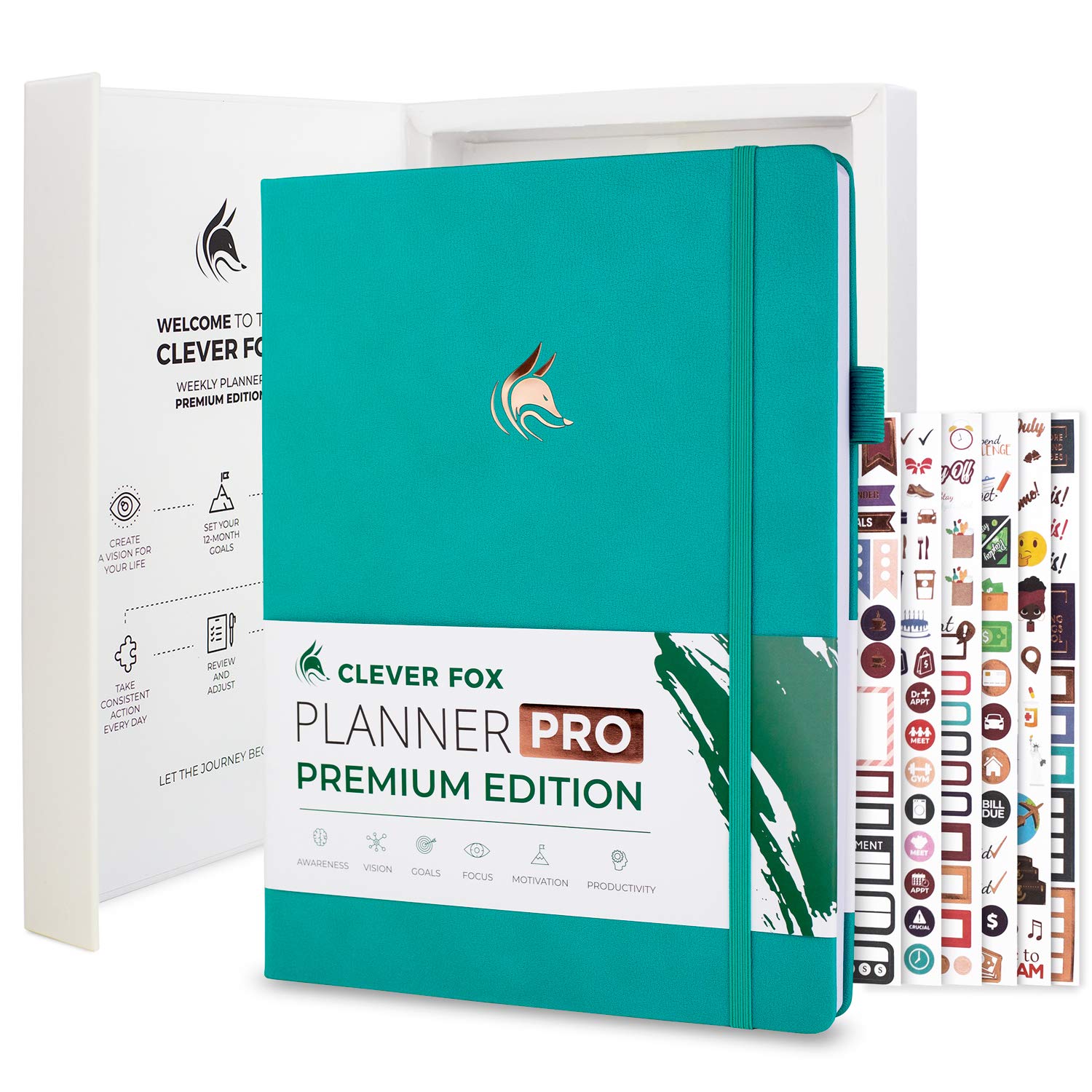
- Undated weekly, monthly, and budgeting sections share one planner.
- Combines weekly pages, monthly calendars, and goal-setting tools.
- A4 format with lay-flat binding and a pen loop.
Best For: People who want one undated planner for weekly schedules, monthly calendars, goals, and budgeting.
Compact Planner for Beginners
Clever Fox Budget Book 2.0 – Simple Budgeting Planner for Beginners – Financial Notebook with Money Spending, Debt & Bill Tracker (Hot Pink)
Clever Fox Budget Book 2.0 pairs monthly budget and bill planning with a dedicated expense tracker. It also includes eight savings trackers and eight debt trackers, giving new budgeters several ways to monitor progress without needing a large planner.
At 5.3 by 7.7 inches, it is the most compact of these options, and its receipt pocket, pen loop, and ribbon bookmark help keep everyday materials together. The colorful pages and two dotted note pages per month leave room for extra reminders.
Its layout is monthly, so it may be less suited to someone who wants a separate budget spread every two weeks.
Best For: Beginners who want monthly budgeting and savings, bill, and debt tracking in a compact format.
| Pros | Cons |
|---|---|
|
|
Choose this planner if you want an approachable monthly routine and dedicated savings and debt logs in a compact book. It also has a receipt pocket and pen loop for carrying the items used to update your budget.
The biweekly planner is a closer fit if you want budgeting sections aligned to a two-week cadence. Before buying, consider whether the colorful monthly layout gives you enough writing room for your regular expense tracking.
Two-Week Budgeting Layout
Clever Fox Bi Weekly Budget Planner – Undated Financial Organizer Book – Expense Tracker, Budgeting & Bill Notebook, A5 (Cypress)
The Clever Fox Bi-Weekly Budget Planner organizes budgeting around detailed two-week spreads. You can plan payments and important dates, track daily expenses, and work through annual goals, strategy, and tactics.
It also has space to estimate net worth, which gives it a broader planning focus than a simple bill log. At 5.8 by 8.3 inches, it remains a portable A5 option, with lay-flat binding, a pen loop, elastic band, bookmarks, and a receipt pocket.
This format suits people who review their money more often than once a month, though those who prefer one monthly overview may find its cadence less natural.
Best For: Budgeters who want to organize expenses and payment deadlines in biweekly sections.
| Pros | Cons |
|---|---|
|
|
Pick this option if a biweekly budgeting rhythm helps you review spending and upcoming payments more often. Its annual goals and net worth pages add a planning layer, while the portable A5 format includes practical carry features.
The Budget Book takes a simpler monthly approach, and the larger spiral planner has explicit savings and debt tracker counts. Check that the biweekly layout matches how you receive income and review bills.
Cash Envelope and Debt Tracking
Clever Fox Budget Planner – Coiled Finance Book, Monthly Financial Journal, Budgeting Organizer & Expense Tracker Notebook, 8.5x9.5″ (Rose Gold)
This spiral budget planner combines monthly plans and reviews with an expense tracker, bill tracker, check register, and holiday budget. It is designed to run for 12 months without dates, so you can start when convenient.
The large 8.5 by 9.5 inch format leaves room for writing, while the three cash envelopes offer a hands-on way to organize cash categories. Eight savings trackers and twelve debt trackers support longer-term goals.
The size and set of physical accessories make this a more involved setup than a compact monthly budget book, so consider the desk or bag space you can spare before choosing it.
Best For: People who want a large monthly planner with cash envelopes and dedicated debt and savings trackers.
| Pros | Cons |
|---|---|
|
|
Choose the spiral planner if you want a substantial monthly workbook and expect to use cash envelopes alongside savings and debt logs. Its check register and holiday budget add specific tools that are not called out for the compact Budget Book.
The tradeoff is its larger footprint, so check whether it will be comfortable to store and carry. If you do not use cash envelopes, a smaller monthly planner may be easier to handle.
Monthly Bills and Paper Storage
Clever Fox Budget Planner & Monthly Bill Organizer With Pockets. Expense Tracker, Budgeting Journal & Financial Book. Large, 8x9.5" (Dark Green)
Clever Fox’s large budget planner brings household and personal money tasks into one place, including savings, debt, due payments, bills, and expenses. Each month has space to plan spending, track daily expenses, and review how the budget went.
Twelve laminated bill pockets provide dedicated storage for financial papers, a useful distinction if keeping documents with the planner matters to you. The 8 by 9.5 inch format also includes a spiral binding, stickers, and a user guide.
It is a broad monthly organizer rather than a compact carry-around book, so consider whether its larger size and paper-storage focus match your routine.
Best For: Households that want monthly expense planning and pockets for keeping bills and financial papers together.
| Pros | Cons |
|---|---|
|
|
Consider this planner when storing bill paperwork alongside monthly budget notes is a priority. Its twelve laminated pockets distinguish it from the other options, while its monthly pages cover spending, daily expenses, and review.
The spiral budget planner offers cash envelopes and named debt and savings trackers instead. Check whether you need document pockets or would rather have those dedicated tracking pages, and account for the large format when planning where to use it.
Budgeting Alongside Weekly Planning
Clever Fox Planner Pro Premium – Luxurious Weekly & Monthly Planner with Budget Organizer for Productivity & Goals, Undated, A4 (Viridian)
The Planner PRO Premium combines life planning and budgeting in a spacious A4 format. Its undated weekly and monthly sections let you begin at any point, while monthly budgeting pages keep finance planning alongside calendars and goal-setting tools.
This hybrid structure can suit someone who wants fewer separate books for schedules and money management. It includes thick paper, lay-flat binding, a pen loop, three bookmarks, and a pocket for loose notes.
Because it devotes space to productivity as well as finances, it is less specialized than a dedicated budget book; choose it when integrating those routines is useful, rather than when you want the most budget-specific tracking layout.
Best For: People who want one undated planner for weekly schedules, monthly calendars, goals, and budgeting.
| Pros | Cons |
|---|---|
|
|
This is the fit for someone whose budget works best when planned beside weekly tasks and monthly dates. The A4 size provides a spacious combined planner, and its undated pages avoid tying the start to a particular time of year.
Dedicated books in this roundup offer more specific money tools, such as bill pockets, cash envelopes, or named debt and savings trackers. Check whether you will use the productivity pages enough to justify choosing a combined planner.
How to Choose Budget Planners
How We Picked Budget Planners
The five options all include budgeting or finance planning as a central use, while offering different ways to organize that work. We favored distinct formats and routines: a beginner-friendly monthly book, a biweekly planner, a large spiral planner with cash envelopes and trackers, a bill organizer with document pockets, and a weekly and monthly productivity planner that also has budget pages.
We considered the actual planning cadence, size, tracking tools, and included organizational features. A planner with monthly reviews suits a different routine from one with detailed biweekly spreads.
Likewise, physical bill pockets, cash envelopes, and combined calendar pages matter to different buyers, so these options serve separate needs rather than repeating the same layout.
Comparing Budget Planners
Start with how often you want to record expenses. The Budget Book 2.0 and large bill organizer use monthly planning, while the biweekly model creates more frequent checkpoints.
The spiral planner also works month by month, with named savings and debt trackers; the Planner PRO Premium puts budget sections beside weekly schedules and monthly calendars.
Next, match the physical format to where you will use it. The two compact books are easier to carry, while the large planners give more page area and, in one case, document pockets.
The spiral budget planner adds three cash envelopes for people who divide spending physically. The comparison table below brings together each model’s planning cadence, size, and distinguishing tools.
| Product | Standout features | Best for |
|---|---|---|
| Clever Fox Budget Book 2.0Check Price |
| Beginners who want monthly budgeting and savings, bill, and debt tracking in a compact format. |
| Clever Fox Bi-Weekly Budget PlannerCheck Price |
| Budgeters who want to organize expenses and payment deadlines in biweekly sections. |
| Clever Fox Budget Planner SpiralCheck Price |
| People who want a large monthly planner with cash envelopes and dedicated debt and savings trackers. |
| Clever Fox Budget Planner & Bill OrganizerCheck Price |
| Households that want monthly expense planning and pockets for keeping bills and financial papers together. |
| Clever Fox Planner PRO PremiumCheck Price |
| People who want one undated planner for weekly schedules, monthly calendars, goals, and budgeting. |
Choosing a Budget Planner for Your Routine
For a straightforward budget notebook, look for a layout that makes recurring tasks easy to repeat. Monthly sections can keep bills, planned purchases, and expense reviews together.
A biweekly format can be useful when you want more frequent check-ins or need to track payment deadlines through the month.
Think about which financial records you want at hand. Receipt pockets and bill pockets serve different storage needs, while cash envelopes can support category-based cash planning.
Dedicated savings and debt trackers may help you monitor goals separately from everyday spending. Choose the combination you expect to use; extra sections have little value if they do not fit your routine.
Size, Binding, and Budget Planner Portability
The selected planners range from compact books to large formats. A smaller planner may be easier to carry and open during a quick expense entry.
A larger book may provide more room for handwriting or keep supporting materials together, but it takes more space on a desk or in a bag.
Binding and accessories affect how a planner fits into daily use. Lay-flat or spiral binding, a pen loop, bookmarks, and receipt or note pockets can help keep pages and materials organized.
Check the stated dimensions and page style against how you plan to write and where you will keep the budget planner.
Who Should Buy Which Budget Planner
Choose the Budget Book 2.0 for a compact monthly start with savings and debt logs. Pick the biweekly planner if two-week check-ins and payment deadlines fit your routine.
The large spiral option suits cash-envelope budgeting and dedicated debt tracking, while the large bill organizer is aimed at people who want to keep paperwork with their monthly budget.
The Planner PRO Premium makes sense when weekly scheduling, monthly calendars, goals, and budgeting belong in the same book. Before choosing, decide whether you need a specialized budget workbook or a combined life planner.
That distinction, along with your preferred review cadence and storage needs, narrows the selection quickly.